Stop Paying the “Cheap Lamp” Tax
When a quartz lamp burns out, it’s more than just a nuisance. It’s a shutdown. Think about it: you stop the line, find the replacement, swap it out, and get everything back up to temperature. While that’s happening, your production just… stops. Those lost units add up fast. That’s the trap. You might save a few bucks buying a cheaper lamp, but by the time you factor in the labor and the dead air in your schedule, that “bargain” is actually the most expensive part of your entire operation.
The real cost of downtime
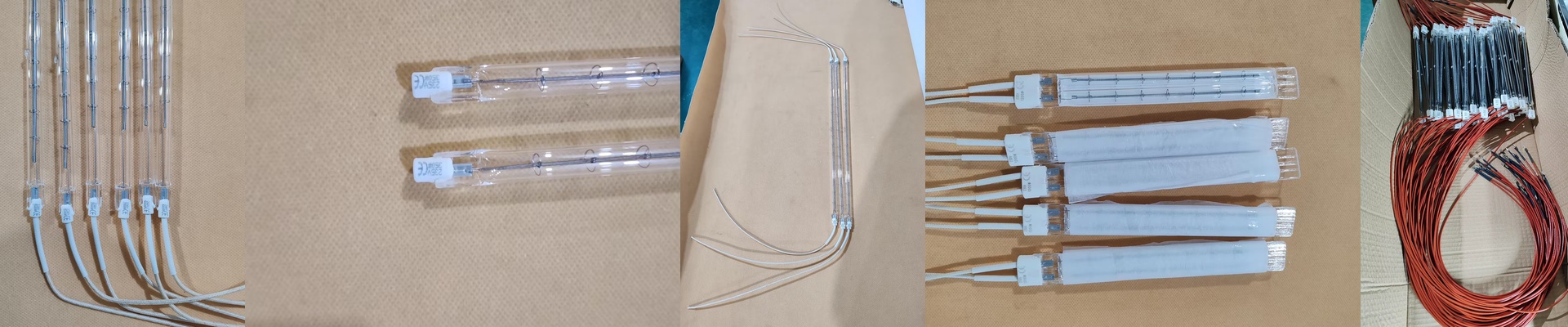
I see this all the time with PET blowing and curing lines. If your heaters are popping every couple of weeks, your output takes a hit. It’s frustrating. You aren’t just paying for a piece of glass and a filament; you’re paying for the gap in your production. The fix isn’t just buying another lamp—it’s getting one that’s actually built for the thermal load your machine pushes. Most people just look at the minimum wattage, but that’s where the trouble starts.
What actually makes a lamp last?
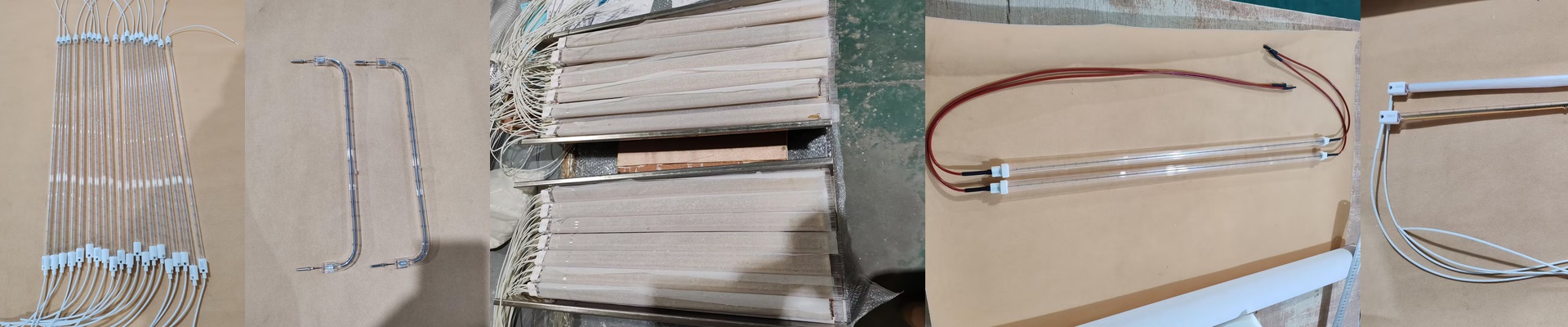
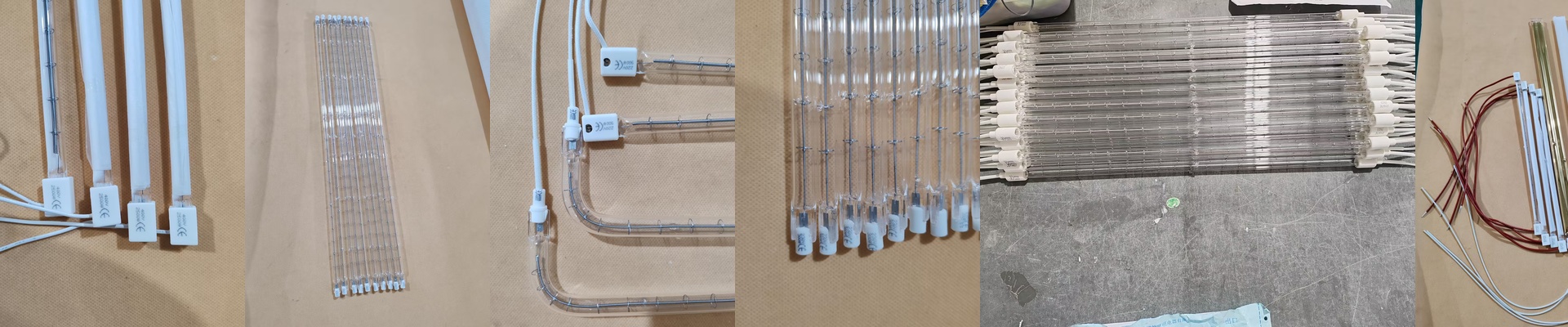
We build our quartz tubes to take a beating. We use high-purity quartz because it doesn’t warp when things get screaming hot. But the real secret is in the gas fill and the filament. We make sure the halogen cycle is dialed in. Why? Because it stops the tungsten from gunking up the inside of the tube. When the glass stays clear, the heat stays consistent. You get thousands of hours of steady performance instead of a slow fade into failure.
The trade-off you need to know about
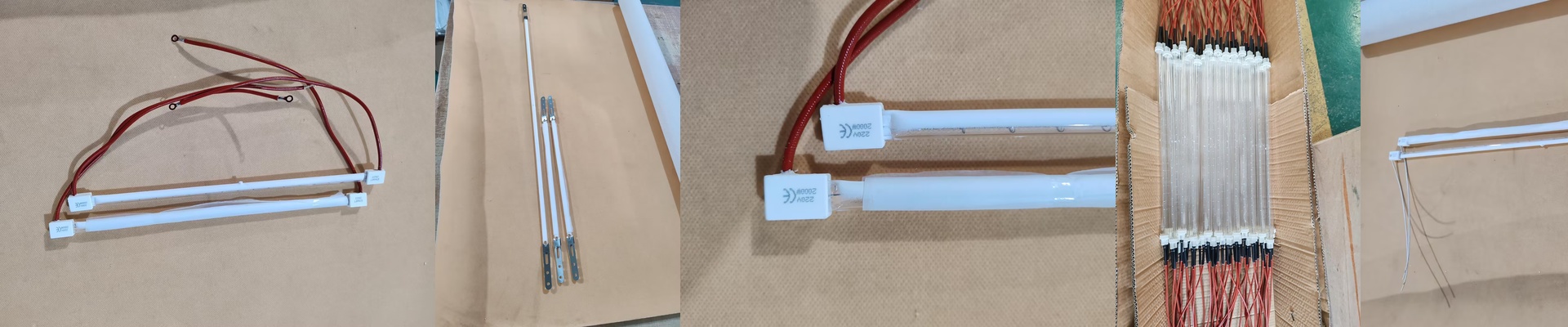
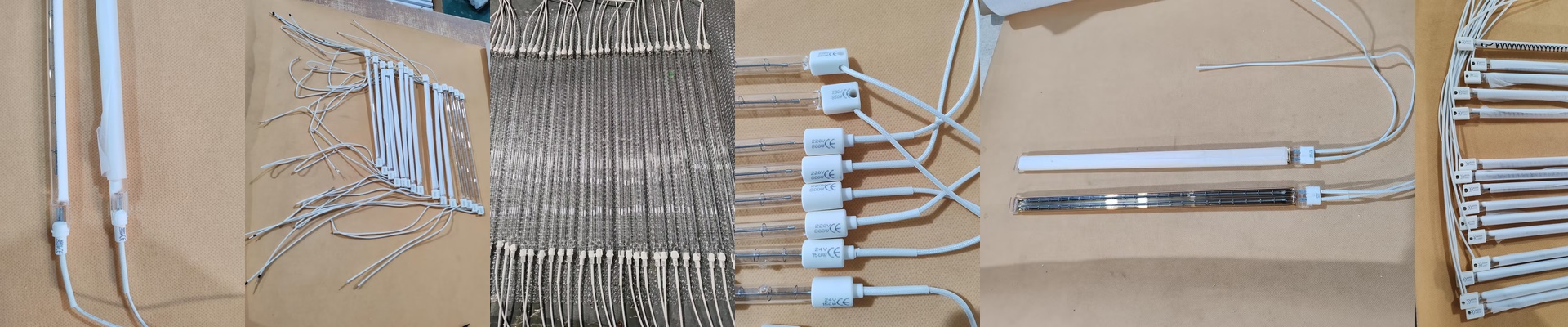
Now, here’s the thing. Higher wattage is great for faster ramp-ups and deeper heat penetration. It speeds things up. But there’s a catch. If you cram more power into a small space, you’re putting a lot of stress on your wiring and connectors. If you decide to jump to a high-output lamp to shave time off your process, just double-check your power supply and cooling fans first. If they can’t breathe, you’ll just end up frying your sockets. We design these heaters to be simple drop-in replacements. You wire them up, set your controllers, and then you can finally stop worrying about when the next unplanned outage is going to hit.