Stop Letting Your Energy Bill Eat Your Profits
Let’s be honest: energy costs are a nightmare for your margins. In the world of plastic processing, there’s a huge difference between a cheap heating element and a high-spec ceramic infrared (IR) lamp. Most shops just treat heaters like lightbulbs—something you swap out when it pops. But that’s a mistake. Your heaters are actually what dictate your cycle time.
Getting the heat where it actually belongs
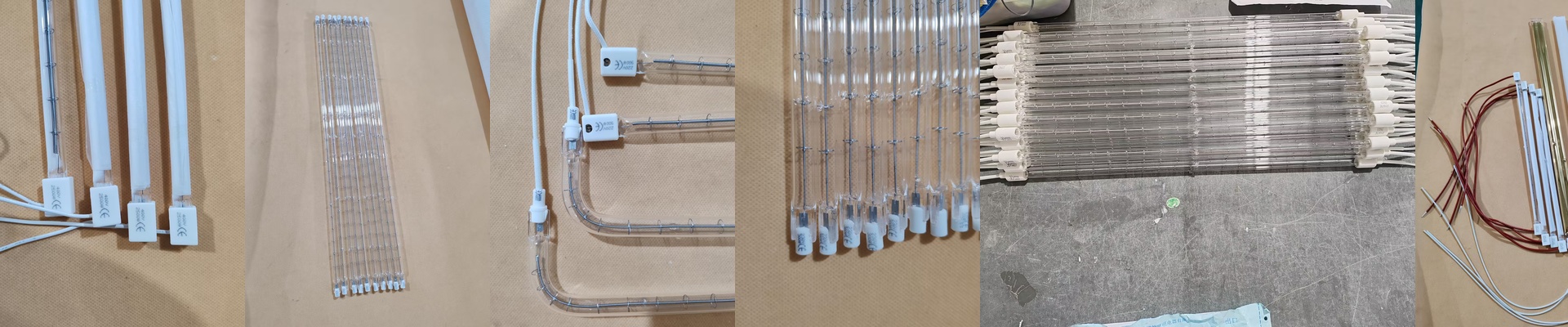
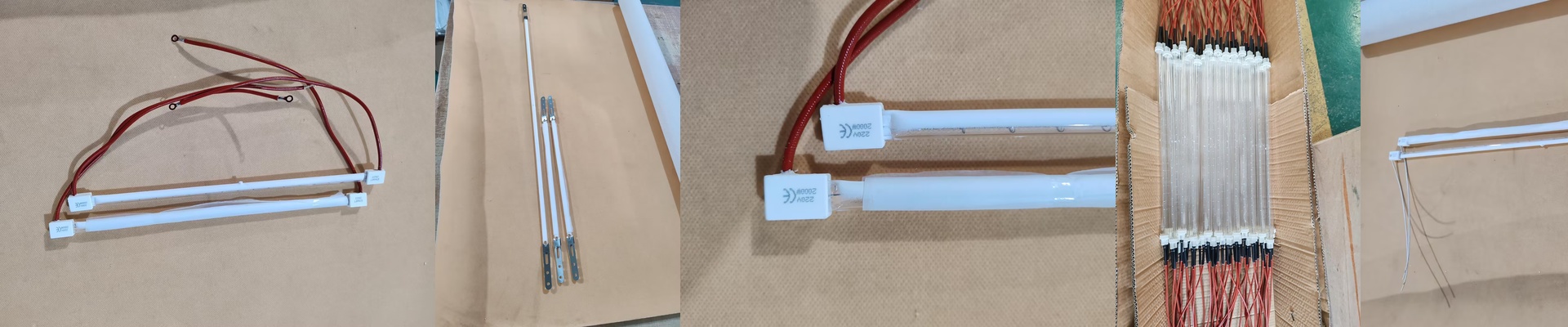
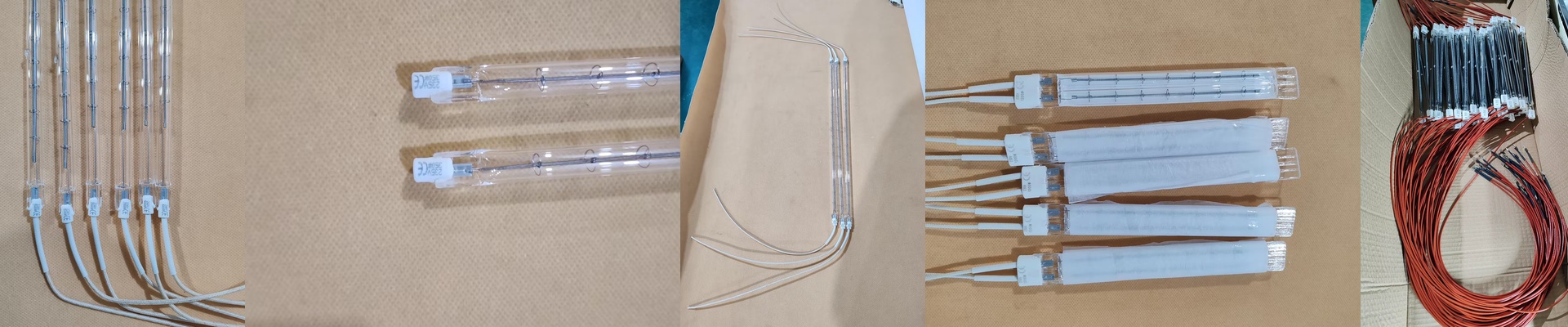
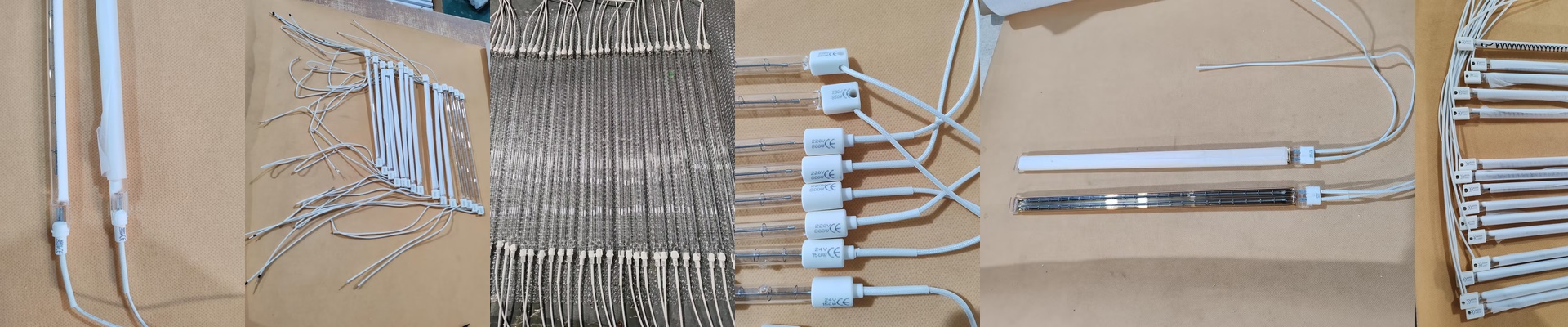
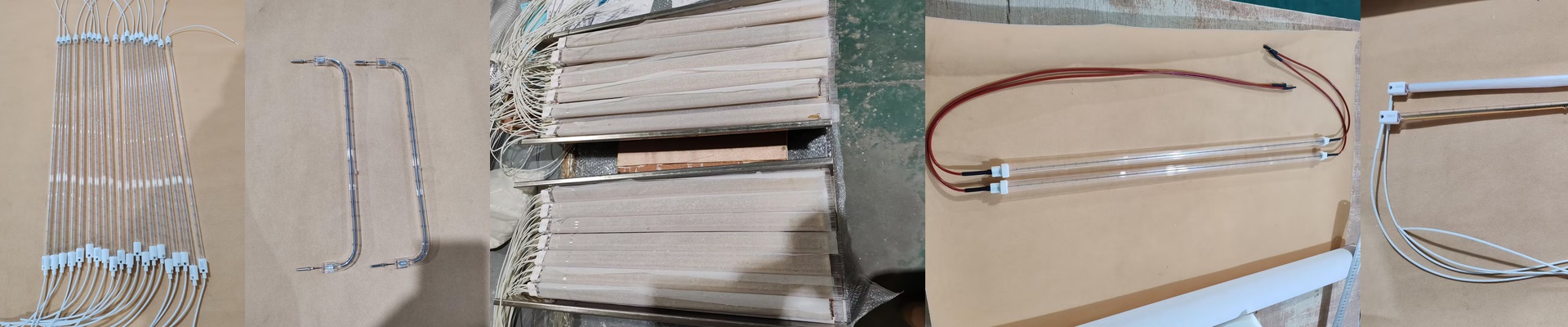
Here’s the thing about standard resistive bands: they waste a ton of energy heating up the air around the barrel. It’s inefficient. Ceramic IR lamps work differently. They beam energy straight into the polymer. No middleman. This means your molds and extruders get up to temp way faster. We build these to pack a punch, giving you more heat in a smaller footprint. It’s just smarter physics.
Built for the grit of a real shop
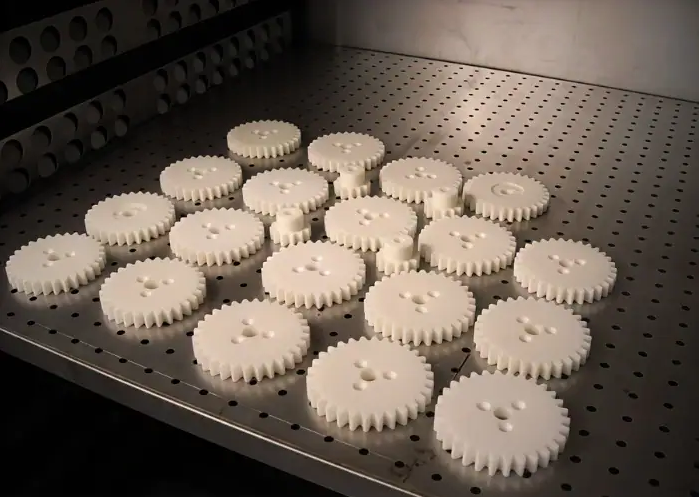
Factory floors are nasty. You’ve got dust, oil mist, and general chaos. A standard quartz tube usually gives up the ghost in a few weeks under those conditions. We wrap our elements in high-purity alumina ceramics. It acts like a shield, keeping the internal filament safe from the grime. These things can take a beating and keep on humming. One quick heads-up, though: keep an eye on your power draw. If you go with a high-wattage array to crush your cycle times, make sure your electrical panels can actually handle the surge. There’s nothing worse than tripping breakers or dealing with voltage drops that mess up your heat uniformity.
Why this actually matters for your parts
If you’re doing PET blowing or film extrusion, you know that temperature stability is everything. Cheap lamps drift. They wander. And when the temp wanders, you get scrap parts and hours of wasted time recalibrating. Our ceramic units hold a much tighter window. When you stock up on these, you aren’t just buying spares. You’re stabilizing your whole process. Plus, because the heat transfer is so much more efficient, your machines don’t have to work as hard. That means your motors and bearings last longer. It’s a win for your parts, and a win for your sanity.